
CUSTODIA

Stewardship & Continuity

Governs the protection of institutional assets, regulatory commitments, key personnel, culture, and core continuity while executing transformative change.

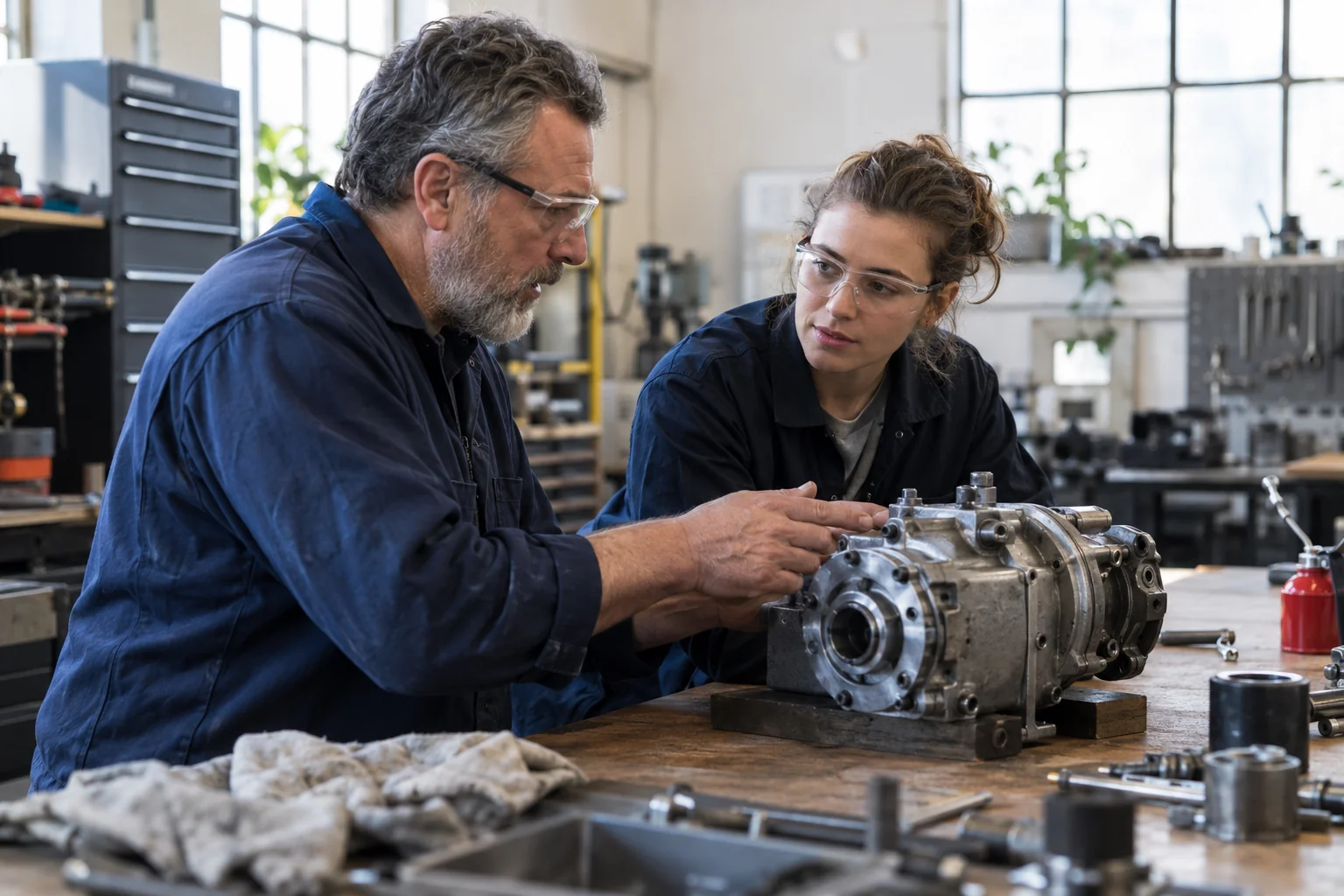
An experienced craftsperson shares practical knowledge with a younger colleague.
CUSTODIA protects continuity by keeping critical knowledge, obligations, controls and operating capability under accountable ownership through change.Verto Claritas doctrine
View the connected system

Understanding the discipline in practice

Keep essential capability and obligations intact.

CUSTODIA governs what the organization must preserve while people, structures and operating methods change. This includes assets, knowledge, controls, commitments and the capability to perform critical work. A handover document alone does not establish continuity if the receiving person cannot carry the responsibility or access the evidence and authority it requires.

Use it during a leadership transition, restructuring, system replacement, supplier change or the end of external support. Identify what cannot be allowed to lapse and who will own it after the change. Test the transfer in practice: can the successor perform the work, maintain the control and respond to an exception? Treat any gap as assigned work rather than an assumption that continuity will take care of itself.

Continuity is supported by demonstrated capability and retained accountability. Essential work survives the change instead of remaining dependent on the people who left.

Artifacts for this discipline

Move from doctrine to something you can inspect.

What CUSTODIA governs

The protection of institutional assets, knowledge, obligations, culture, critical roles and continuity while change is undertaken.

Why it exists

Transformation can improve one condition while silently weakening the capabilities and commitments the institution must preserve.

What good looks like

Safeguarded conditions are explicit, ownership survives organizational change, successors can perform critical work and continuity evidence is current.

Core operating questions

  • What must not be lost while this changes?
  • Which capability or obligation depends on one person?
  • Who stewards the control after responsibilities move?
  • How will continuity be demonstrated rather than assumed?

Application in context

Continuity in everyday practice

Explore all examples

From Dean’s operating experience

Mine restart: procurement, inventory and operations had to work as one

A remote underground mine was moving through restart toward stable operation. Production, maintenance and capital work needed reliable materials support while leadership balanced supply assurance, cost and inventory investment.

Dean directed procurement, contracts, inventory, warehousing and materials management. His portfolio records standardized purchasing, stronger supplier relationships, inventory rationalization, clearer approval authorities and cross-functional reporting.

Read the experience

CUSTODIA · Learning

Develop lasting stewardship

Protect stewardship, institutional knowledge and continuity through change.

FoundationsPractitionerMastery
Explore the course
01FoundationsUnderstand the discipline and recognize where it applies.
  1. Stewardship and continuity
  2. Institutional assets and obligations
  3. Knowledge that must remain
  4. Control ownership over time
  5. People and succession
  6. Recognizing governance drift
Explore this level
02PractitionerApply the discipline to an operating situation with clear human ownership.
  1. Mapping continuity dependencies
  2. Retaining usable operating knowledge
  3. Planning a role transition
  4. Sustaining controls through change
  5. Establishing stewardship routines
  6. Applying CUSTODIA to a continuity scenario
Explore this level
03MasteryDemonstrate sound judgment across complex conditions and sustain the capability.
  1. Institutional integrity across transitions
  2. Testing successor readiness
  3. Detecting and correcting governance drift
  4. Protecting continuity during growth
  5. Embedding lasting client self-sufficiency
  6. Demonstrating sustainable stewardship
Explore this level

Follow the architecture into practice

See where the system loses coherence.

Explore the disciplines, test a signal or use an operating artifact to make the next decision clearer.

Inspect the operating artifacts